Unleash Your Pittie's Potential: Expert Tips for Puppy Training
Harness the Power of Positive Reinforcement: Unlocking the Potential of Pitbull Puppies
As owners of pitbull puppies, we share a profound desire to foster their well-being and equip them with the skills to navigate the world confidently. However, training these energetic and intelligent companions can present challenges. Overcoming these hurdles requires a compassionate and effective approach, prioritizing positive reinforcement and open communication.
Pitbull puppies, like all dogs, have an innate desire to please their owners. This instinct provides a solid foundation for training. Instead of resorting to harsh tactics that can damage your bond, embrace the transformative power of positive reinforcement. This method involves rewarding desired behaviors with treats, praise, or playtime. By consistently reinforcing good actions, you create a positive feedback loop, encouraging your puppy to repeat them willingly.
A crucial aspect of training pitbull puppies is establishing clear boundaries and expectations. This involves communicating your desires in a calm and consistent manner. Begin with basic commands such as sit, stay, and come. Use hand signals in conjunction with verbal cues to ensure effective communication. Patience and repetition are essential for your puppy to grasp these concepts.
Remember, training is an ongoing journey, not a destination. As your puppy grows and develops, their training needs will evolve. Embrace the challenges with enthusiasm and creativity, adapting your approach to their changing needs. By fostering a strong and affectionate bond built on trust, you will unlock the full potential of your beloved pitbull companion.
Understanding the Basics of Pitbull Training
Pitbulls are known for their strength, loyalty, and intelligence. While they can make excellent companions, it's crucial to provide proper training to ensure a well-behaved and happy pet. Understanding the basics of pitbull training is essential for success.
Establishing a Strong Bond
Building a strong bond with your pitbull puppy is the foundation for effective training. Spend quality time with them, engage in playtime, and show them love and affection. This creates a positive and trusting environment that will facilitate learning.
Personal Experience:
My first pitbull puppy, Max, was initially shy and withdrawn. Through regular play sessions and cuddles, I gradually gained his trust. His behavior transformed as he realized I was his friend and protector.
Setting Boundaries and Expectations
Define clear boundaries and expectations for your pitbull puppy. Establish rules regarding behavior, such as not jumping on people, chewing on furniture, or barking excessively. Consistency and positive reinforcement are key to enforcing these boundaries.
Source Image:
Positive Reinforcement
Positive reinforcement is the most effective method for pitbull training. Reward your puppy with treats, praise, or playtime for desired behaviors. This strengthens the connection between the behavior and the positive outcome, encouraging them to repeat it.
Personal Experience:
When Max first learned to sit on command, I rewarded him with his favorite treat. As we practiced consistently, his willingness to sit when asked increased significantly.
Crate Training
Crate training is essential for pitbull puppies as it provides them with a safe and comfortable space. It also helps with potty training, prevents destructive behavior, and creates a sense of security.
Source Image:
Socialization and Exposure
Proper socialization and exposure are crucial for pitbull puppies. Introduce them to different environments, people, and animals. This will help them develop a well-rounded temperament and prevent fear-based aggression.
Personal Experience:
I regularly take Max to the dog park, where he interacts with other dogs and humans. This has made him a confident and well-adjusted puppy.
Addressing Problem Behaviors
If your pitbull puppy exhibits problem behaviors, such as aggression or excessive chewing, seek professional help. A qualified trainer can identify the underlying causes and develop effective strategies to address them.
Source Image: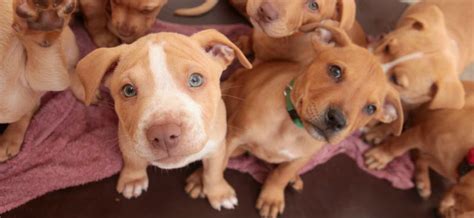
Patience and Consistency
Training a pitbull puppy requires patience, consistency, and a deep understanding of their unique characteristics. Stay positive, reward desired behaviors, and avoid harsh punishments. With the right approach, you can transform your pitbull puppy into a well-trained and loving companion.
Personal Experience:
Training my first pitbull puppy was a journey filled with challenges and rewards. Max was a stubborn and independent puppy at times, but through unwavering patience and consistent training, he blossomed into an amazing dog.
Ongoing Training and Enrichment
Training your pitbull puppy should be an ongoing process throughout their lives. Introduce new challenges and activities to keep them mentally and physically stimulated. This will prevent boredom and promote a healthy and happy lifestyle.
Source Image:
Conclusion
Training a pitbull puppy is an investment in their well-being and your bond with them. By embracing positive reinforcement, establishing clear boundaries, and providing a stimulating environment, you can raise a well-behaved and loyal companion. Remember, patience, consistency, and a deep understanding of pitbulls are key to success.
.
Comments
Post a Comment